
[Research Report] AMR Policy Update #1: AMR Policy for the Next Decade and the Next Century
- Home >
- Information >
- News >
- [Research Report] AMR Policy Update #1: AMR Policy for the Next Decade and the Next Century
 Antimicrobial resistance (AMR) remains one of the most pressing and complex challenges facing modern societies worldwide. AMR occurs when pathogens acquire resistance to antimicrobial drugs, meaning that infections which were once treatable become increasingly difficult and sometimes impossible to cure. In 2021, AMR was responsible for the loss of approximately 1.14 million lives globally, with as many as 4.71 million deaths when broader related causes are included. The World Health Organization (WHO) lists AMR as one of the top ten threats to global health and, resistance rates to key antimicrobials have exceeded 40% in major pathogens such as Escherichia coli between 2018 and 2023. In some regions, particularly Southeast Asia and the Eastern Mediterranean, one in three infections is estimated to be associated with AMR, accentuating the sense of crisis.
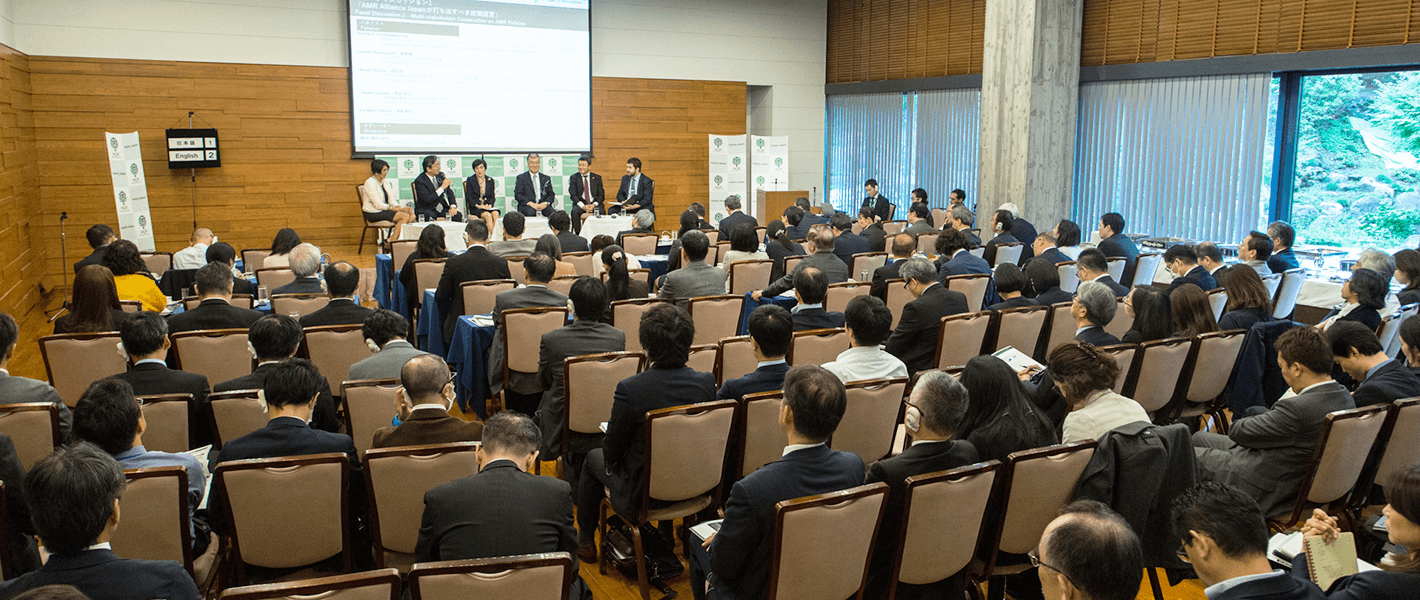
Since 2016, Health and Global Policy Institute (HGPI) has recognized AMR as a key issue social issue. In 2018, HGPI established the AMR Alliance Japan, the first global, independent, multi-stakeholder platform focused on overall AMR policy, bringing together governments, academia, industry, civil society, and patients to drive open dialogue and evidence-informed policy. Since the establishment of the Alliance, while collaborating with diverse stakeholders both domestically and globally, the Alliance has created a forum for policy discussions based on knowledge from a wide range of fields and continues working to advance related policies.
 Significant progress in antimicrobial resistance (AMR) policy has been achieved over the past decade, both domestically and globally. In 2026, the World Health Organization (WHO) in collaboration with other international actors are expected to work on the revision of the Global Action Plan on AMR, setting new directions for future efforts. At the same time, the global landscape and social structures surrounding AMR and infectious disease policies are undergoing rapid, dynamic changes, and the range of stakeholders involved continues to diversify. AMR, in particular, is a domain where various perspectives constantly intersect—including medicine, humanities, and social sciences; drug discovery, clinical practice, and development; pharmaceuticals and diagnostics; research and policy; healthcare, welfare, and nursing care; global society, national and local governments, and communities; as well as human, animal, and environmental aspects. As a result, formulating a single optimal solution has become increasingly difficult to envision, and there is a growing need to bring together diverse knowledge and persistently move forward by accumulating provisional solutions. It is through the accumulation of provisional solutions that consensus-building and a sense of mutual understanding among stakeholders are extremely important.
AMR Policy Update aims to provide a dynamic and open space for sharing the latest AMR-related policy developments, while also reflecting on past progress and lessons, connecting knowledge and experiences from both domestic and international contexts across boundaries and sectors.
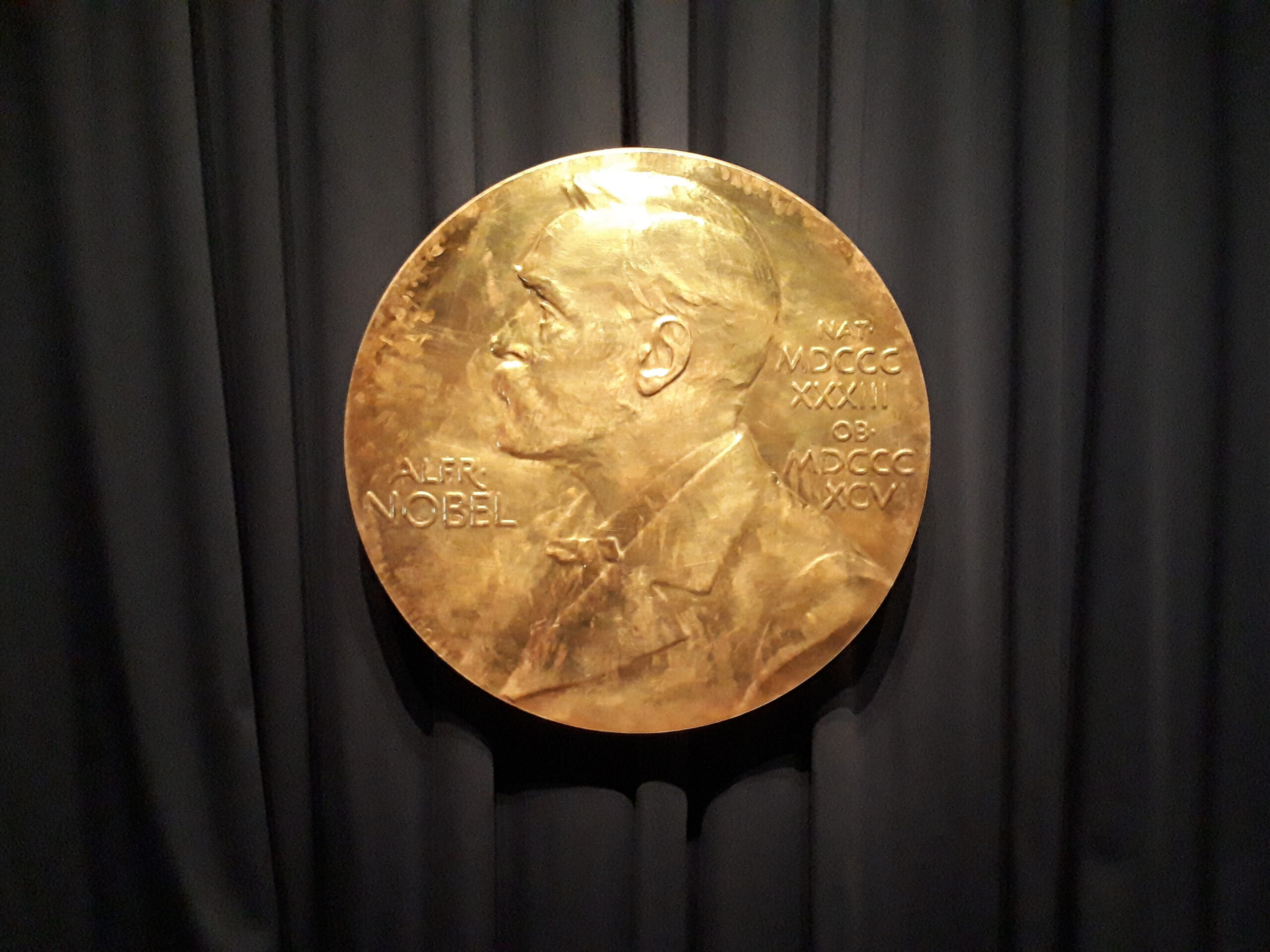
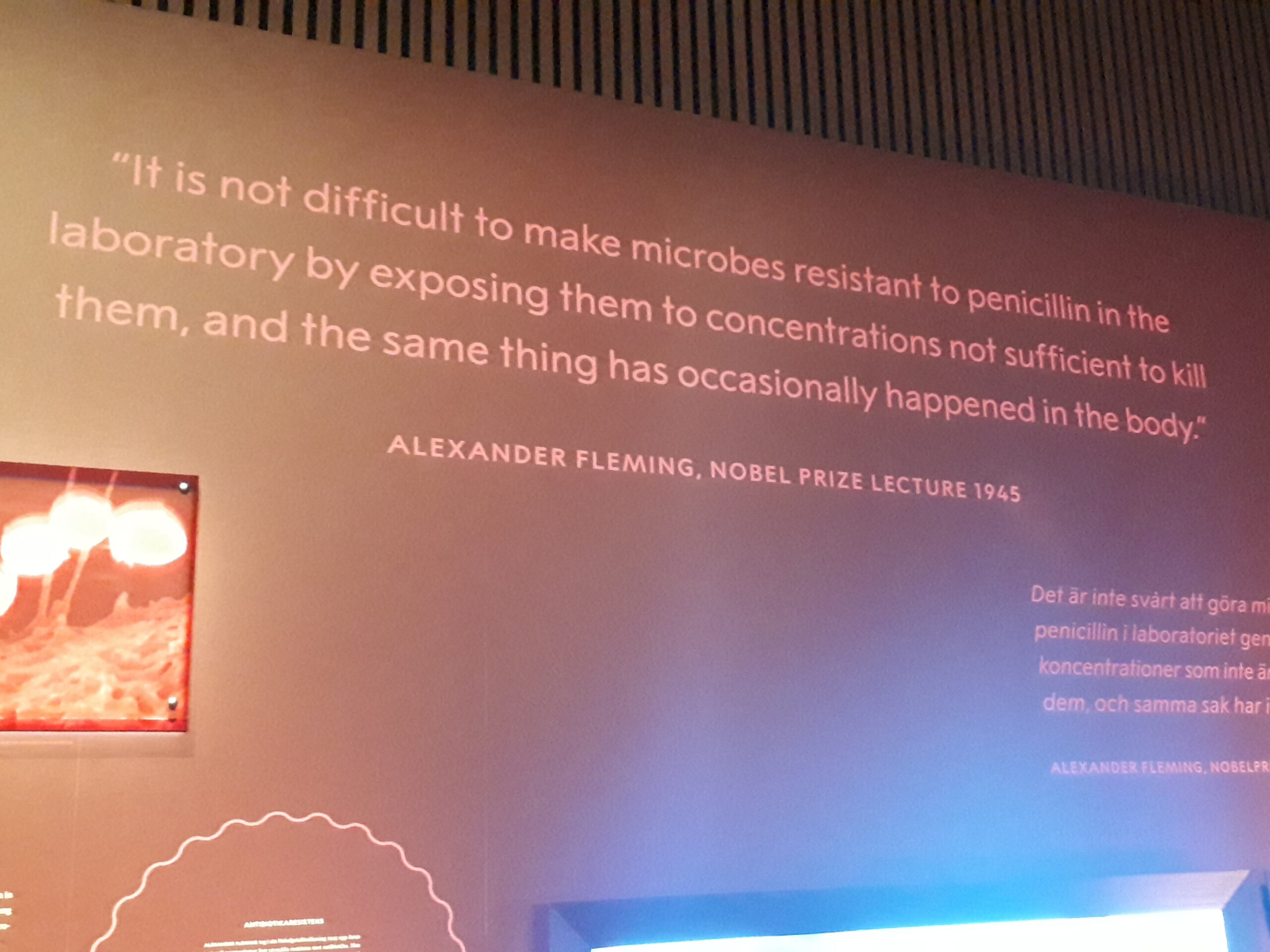 As we approach the centenary of Alexander Fleming’s discovery of penicillin in 1928—a defining milestone in the history of modern medicine—and recall his early observations on the risks of AMR made in his 1945 Nobel lecture, we are reminded that today’s AMR challenges stand on a century of progress and accumulated insight. In the coming decade and century, HGPI, as a Secretariat of the AMR Alliance Japan, will work alongside with diverse partners in Japan and around the world to openly and resolutely explore the evolving nature of AMR policy and transform knowledge and dialogue into meaningful action.
